
How to Choose a Plastic Packaging Manufacturer?
A complete guide for cosmetics, chemical, pharmaceutical and food manufacturers
Table of contents:
- Why does choosing a packaging manufacturer matter so much?
- What are you really buying?
- Price is only part of the cost?
- Why is production repeatability so important?
- How to vet a packaging manufacturer before you start working together?
- Checklist before choosing a packaging manufacturer.
Why does choosing a packaging manufacturer matter so much?
Most companies start looking for a packaging manufacturer in much the same way. A new pack is developed, the purchasing department prepares a request for quotation and sends it to several manufacturers. A few days later, quotes land in the inbox. The decision often comes down to price or lead time.
At first glance, this seems like a sensible approach. After all, a 250 ml bottle looks much the same regardless of who made it.
In practice, the differences only become visible once the packaging reaches the production line.
That is when you find out whether every bottle has identical dimensions, whether the dispenser tightens with the right torque, whether the thread stays within the required tolerances, and whether the packaging runs smoothly through automatic feeders.
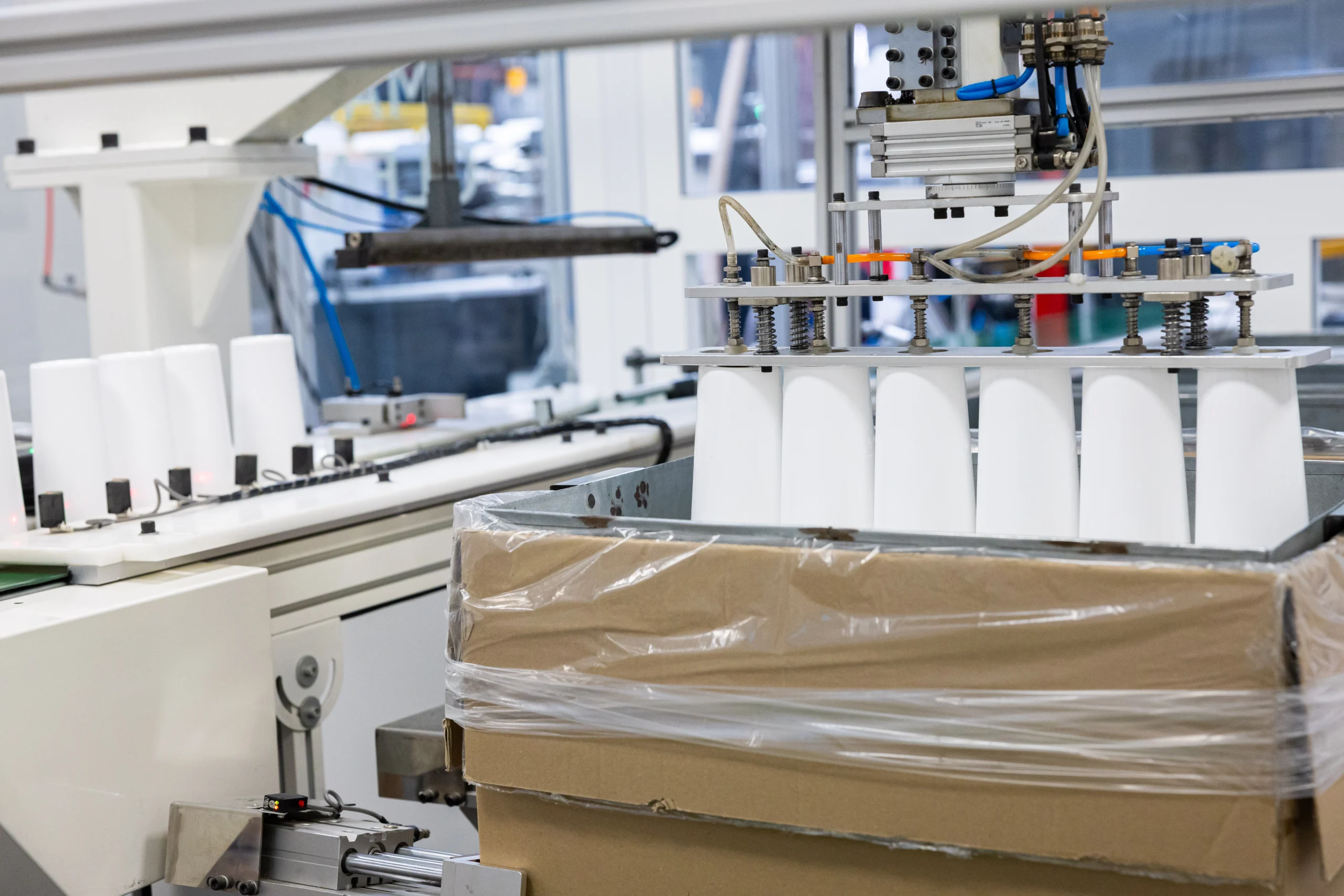
For manufacturers of cosmetics, household chemicals, food or dietary supplements, packaging is not just an aesthetic element. It is part of the technological process.
When it works properly, nobody notices it.
When even small deviations in parameters appear, the consequences can be very costly.
Your packaging manufacturer becomes part of your production process.
In many industries, people talk about suppliers.
In reality, a professional packaging manufacturer becomes part of its client’s production process.
The quality of its work affects, among other things:
- production flow,
- on-time delivery,
- product safety,
- packaging aesthetics,
- print quality,
- logistics efficiency,
- the ability to develop new products.
This means that choosing a packaging manufacturer is a strategic decision. A partnership often lasts not a few months but many years. That is why it is worth taking more time to choose a partner who will grow together with your brand.
Good to know
The world’s largest brands very rarely change packaging manufacturers on price alone.
Far more important are:
- a stable partnership,
- consistent quality,
- process reliability,
- the capacity to handle ever larger orders,
- technical support.
What are you really buying?
This is one of the most important questions in the entire process of choosing a manufacturer.
Most people would answer: a bottle. That is only part of the truth.
You are also buying the team’s experience, the technologists’ expertise, the way production is organized, quality control, the machinery, the capacity to develop the project, on-time delivery and a secure partnership.
That is why two identical-looking bottles can have completely different business value. One will be part of a stable production process. The other may become a source of problems, complaints and additional costs.
This is exactly why professional packaging manufacturers talk so much about process quality, not just the quality of the finished product.
A case from practice
Imagine a cosmetics manufacturer preparing to launch a new line of shampoos.
Marketing has finalized the label design. Sales has prepared the campaign. Retail chains have placed their orders. Production starts on schedule. After a few hours, however, it turns out that some of the dispensers do not tighten properly. The line has to be stopped. Every minute of downtime means real financial losses.
The cause is not the cosmetic formula. Nor is it a machine failure. The problem turns out to be small differences in the packaging parameters.
This shows that in series production, what counts is not only the quality of a single batch, but above all production repeatability. And that is where choosing a good packaging manufacturer begins.
What are you really buying when you choose a packaging manufacturer?
At first glance, the answer seems obvious. You are buying a bottle, a container or a canister.
In reality, you are buying much more. A professional packaging manufacturer delivers not just a finished product. It delivers an entire process that has a direct impact on how your business runs.
That is why two companies producing seemingly identical packaging can offer completely different value. The difference will not always be visible in the finished product. Far more often, it will only emerge during day-to-day production.
If the packaging is made with the right precision, the filling line runs smoothly, the closures fit the threads and each batch keeps identical parameters. Production runs without disruption, and finished products reach customers on schedule.
If, however, the manufacturer does not ensure adequate repeatability, problems appear very quickly. Machine readjustments, complaints, extra quality checks or delayed orders generate costs that often far exceed the savings from a lower packaging price.
That is why choosing a manufacturer should be treated as a decision about your entire production process, not just a packaging purchase.
Price is only part of the cost
One of the most common mistakes when choosing a packaging manufacturer is comparing unit prices alone.
Let’s say two manufacturers quote for the same bottle. The first offers PLN 0.81. The second, PLN 0.85. At first glance, the difference seems clear. The cheaper offer looks more attractive. Experienced buyers know, however, that the purchase price is only one element of the total cost of the partnership.
Far more important may be:
Imagine the cheaper manufacturer delivers three days late. The production line stops. Workers wait. Transport schedules have to be changed. The end customer receives the order late. In a situation like that, a difference of a few groszy per bottle no longer matters.
That is why professional companies analyze not only the product price, but also the total cost of the partnership.
Why is production repeatability so important?
Repeatability is one of the most frequently used terms in the plastic packaging industry. At the same time, few people outside production truly understand what it means. Put simply, repeatability means that every subsequent batch of packaging has the same parameters as the previous one. It sounds simple.
In practice, it is one of the biggest challenges in modern manufacturing. A cosmetics manufacturer does not want to wonder whether the next delivery will differ in color, thread diameter or wall thickness. A food manufacturer expects every pack to behave identically during filling. A household chemicals manufacturer wants to be sure that every batch will withstand transport and storage.
That is why modern packaging production relies on precisely controlled technological processes. Repeatability is no accident. It is the result of well-chosen production parameters, raw material quality, modern machinery and systematic quality control.
A good manufacturer thinks about the whole process
Companies starting a new project very often focus on how the packaging looks. That is natural. The bottle or container is the first thing that reaches the consumer’s hands. From the manufacturer’s point of view, however, what matters far more is what the end customer will never see.
What counts, among other things:
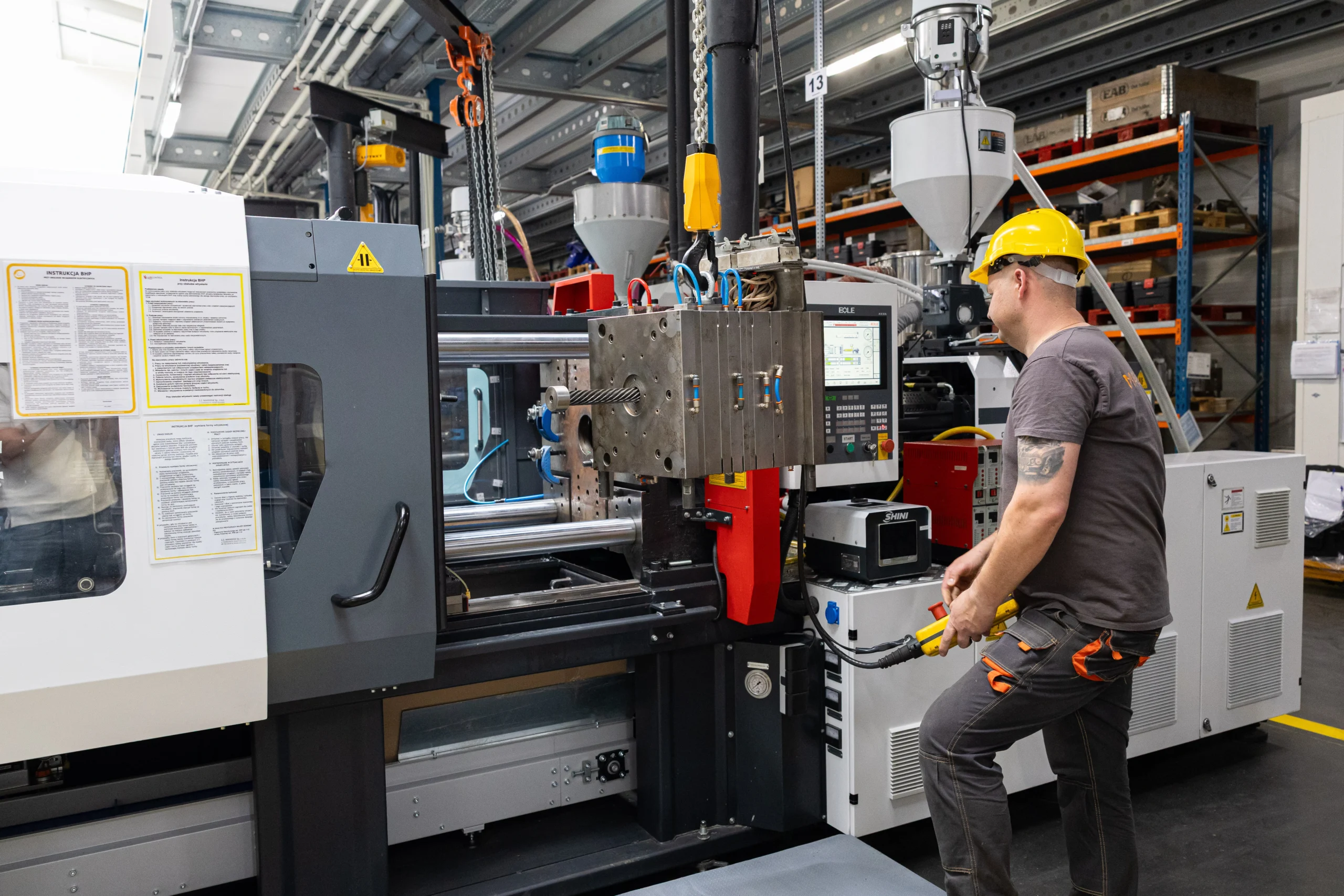
That is why experienced packaging manufacturers ask a lot of questions right at the start of a project. Not because they want to complicate the process. Quite the opposite. The more information they receive at the beginning of the partnership, the easier it will be to prepare a solution tailored to the client’s real needs.
How to recognize a manufacturer who truly knows the industry?
Many companies claim high quality, modern machinery and many years of experience. That is important information, but it is not what decides the choice of partner. You can learn much more during the first conversation.
An experienced manufacturer will want to know:
This shows that they are thinking not only about producing the packaging, but about the entire process of its use. The more detailed the questions a manufacturer asks, the more likely it is that they genuinely want to find the best solution, rather than just prepare a quote.
Good to know
One of the most common causes of problems when launching new products is not the quality of the packaging itself, but too little information passed on to the manufacturer at the start of the project.
A well-prepared brief helps avoid many costly changes at later stages of production.
How to vet a packaging manufacturer before you start working together?
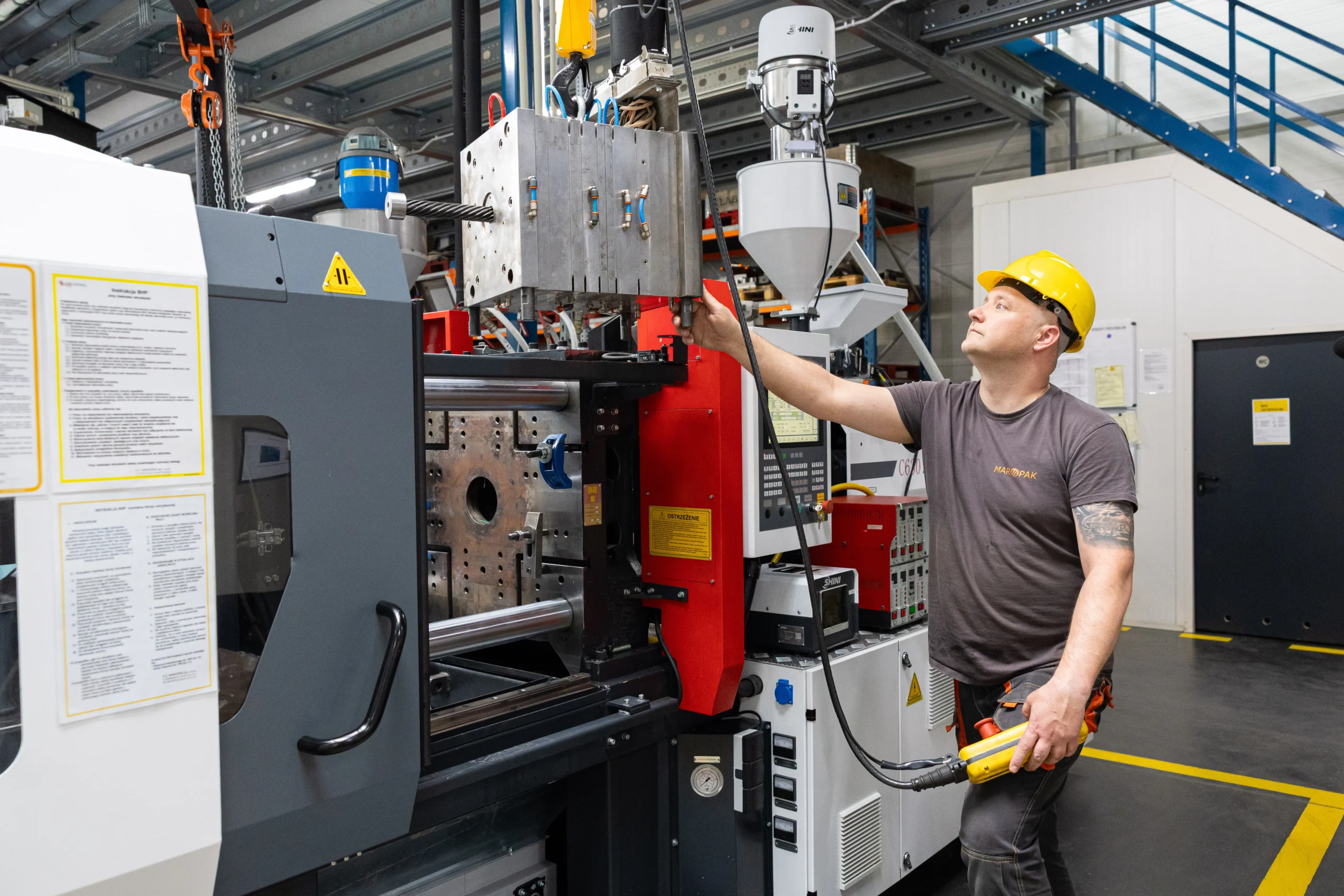
Choosing a plastic packaging manufacturer is a decision that will affect how your company operates for many years. That is why it is worth thoroughly vetting a potential partner before signing a contract.
It is not just about price or the lead time for the first order. Equally important are production capacity, the quality control system, experience in serving your industry and willingness to grow together with the client.
Below are the key areas worth checking.
1. Does the manufacturer have the right experience?
Not every packaging manufacturer specializes in the same products. A company producing packaging for the cosmetics industry may work to completely different standards than a manufacturer serving the chemical or food industry.
That is why it is worth asking:
- Has the manufacturer completed similar projects?
- Do they know the requirements of my industry?
- Do they have experience producing packaging of a similar design?
The more experience in a specific industry, the lower the risk of problems during product launch.
2. What technologies does the manufacturer use?
A modern manufacturer should match the technology to the product, not the other way round.
The most commonly used technologies in plastic packaging production are:
- extrusion blow molding,
- injection molding,
- ISBM (injection stretch blow molding).
Each has a different application. The broader a manufacturer’s technological capabilities, the better the chance of choosing the solution that best meets the product’s requirements.
3. Does the manufacturer have its own design department?
A good manufacturer does not just execute a ready-made design. It should also be able to advise whether the proposed solution will work properly in production.
At the design stage, many problems can be eliminated related to:
- filling,
- transport,
- storage,
- dispensing,
- packaging durability.
This is much cheaper than making changes after production has started.
4. What does quality control look like?
Quality should not be checked only at the end of the process. Professional manufacturers monitor production at every stage.
This typically includes:
- raw material inspection,
- monitoring of production parameters,
- in-process inspection,
- final inspection,
- quality documentation.
This ensures that every batch of packaging keeps consistent parameters. This is especially important for manufacturers of cosmetics, food, pharmaceuticals and household chemicals.
5. Does the company hold the relevant certifications?
Certifications are not just a formality. They confirm that the manufacturer works to defined quality standards.
In the plastic packaging industry, particularly relevant ones include:
- ISO 9001,
- ISO 13485,
- FSSC 22000.
They indicate well-organized processes and a systematic approach to quality.
6. Is the manufacturer investing in its machinery?
The packaging industry is changing very fast. New materials, new printing technologies, more demanding designs and ever higher customer expectations keep emerging. That is why it is worth checking whether a manufacturer invests in its development.
Modern machinery means:
- greater production precision,
- shorter lead times,
- greater flexibility,
- the ability to take on more demanding projects.
Companies that have been developing their technical capabilities for years are better prepared for changing market needs.
7. Does the manufacturer also print on packaging?
For many brands, packaging does not end with producing the bottle. More and more often, the whole process also includes decoration.
If the manufacturer prints in-house, the client gains:
- one partner for the entire project,
- shorter lead times,
- easier quality control,
- a more consistent production process.
This significantly simplifies logistics.
8. Is the manufacturer ready for your company’s growth?
At the start of a partnership, a company may need a few thousand packs a month. In two years, production may grow several times over.
That is why it is worth asking:
- Will the manufacturer be able to increase production capacity?
- Do they have the right machinery?
- Do they handle series production?
- Do they serve large brands?
A partner that grows together with its clients is a much safer choice than a company operating at the limit of its capacity.
Checklist before choosing a packaging manufacturer
Before making a decision, answer the following questions:
Looking for a manufacturer that grows together with your brand?
Talk to the MAROPAK team about plastic packaging tailored to your industry and production scale.