
Screen printing AND heat transfer
Screen printing
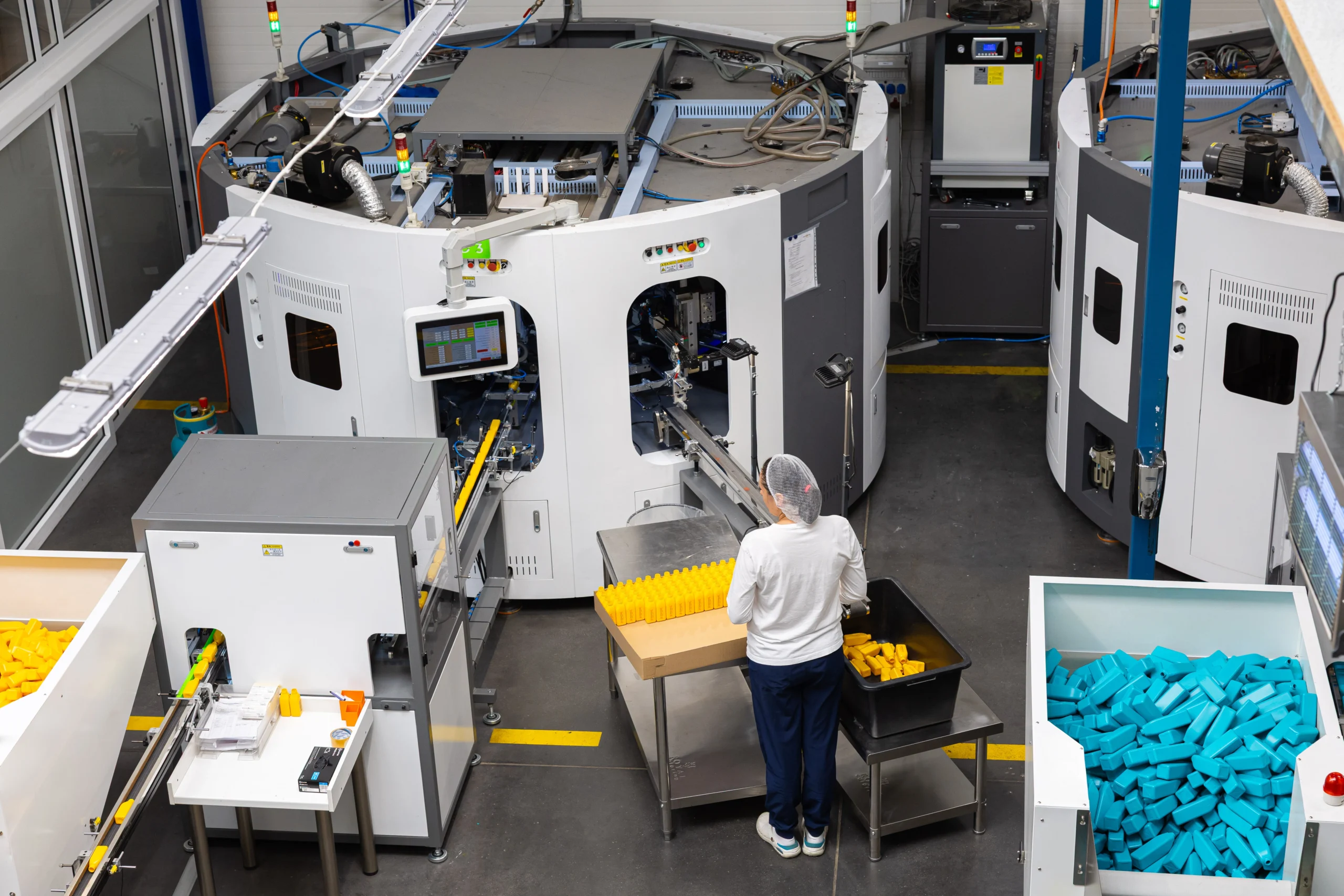
Screen printing is one of the most commonly used methods for decorating plastic packaging. At Maropak, we use LED UV screen printing technology, which ensures high print quality and excellent durability.
The process involves applying ink to the surface of the packaging using a special screen with a pre-designed print pattern. The ink is forced through the mesh by a rubber squeegee, which allows the design to be reproduced precisely on the surface of the packaging.
The capabilities of screen printing
Depending on the technical parameters used, such as:

type of ink;
screen density;
thickness of the photosensitive emulsion.
It is possible to achieve a variety of print effects – ranging from fine and precise to more tactile, slightly raised textures.
Screen printing technology is characterised by:
Materials and applications
We use screen printing on packaging used in a wide range of industries, including:

cosmetics
pharmaceuticals and medical supplies

household chemicals

automotive

technical and industrial chemicals

gardening
We print on packaging and plastic components such as:
PP
PE
PET
HDPE
LDPE
Visual effects and colour options
Screen printing offers a very wide range of visual effects. The technology allows for both opaque and transparent prints, as well as more advanced decorative effects.
The following can be used:
standard colours and the full colour spectrum;
metallic effects (glossy and satin);
pearlescent effects;
special inks, e.g. light-sensitive or heat-sensitive.
As a result, screen printing is suitable for both technical projects and packaging requiring a high-quality visual finish.
Heat Transfer – the ‘no-label look’
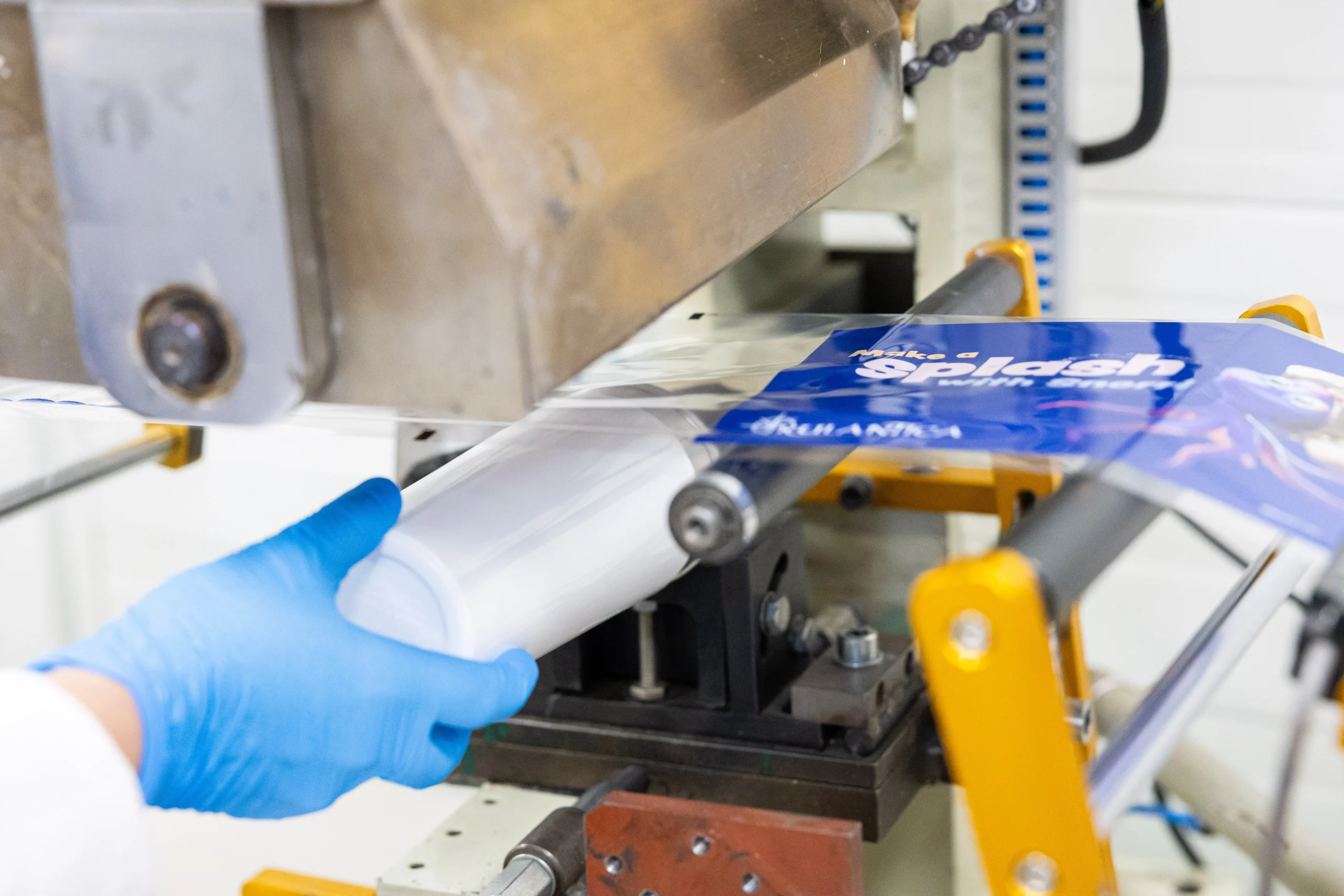
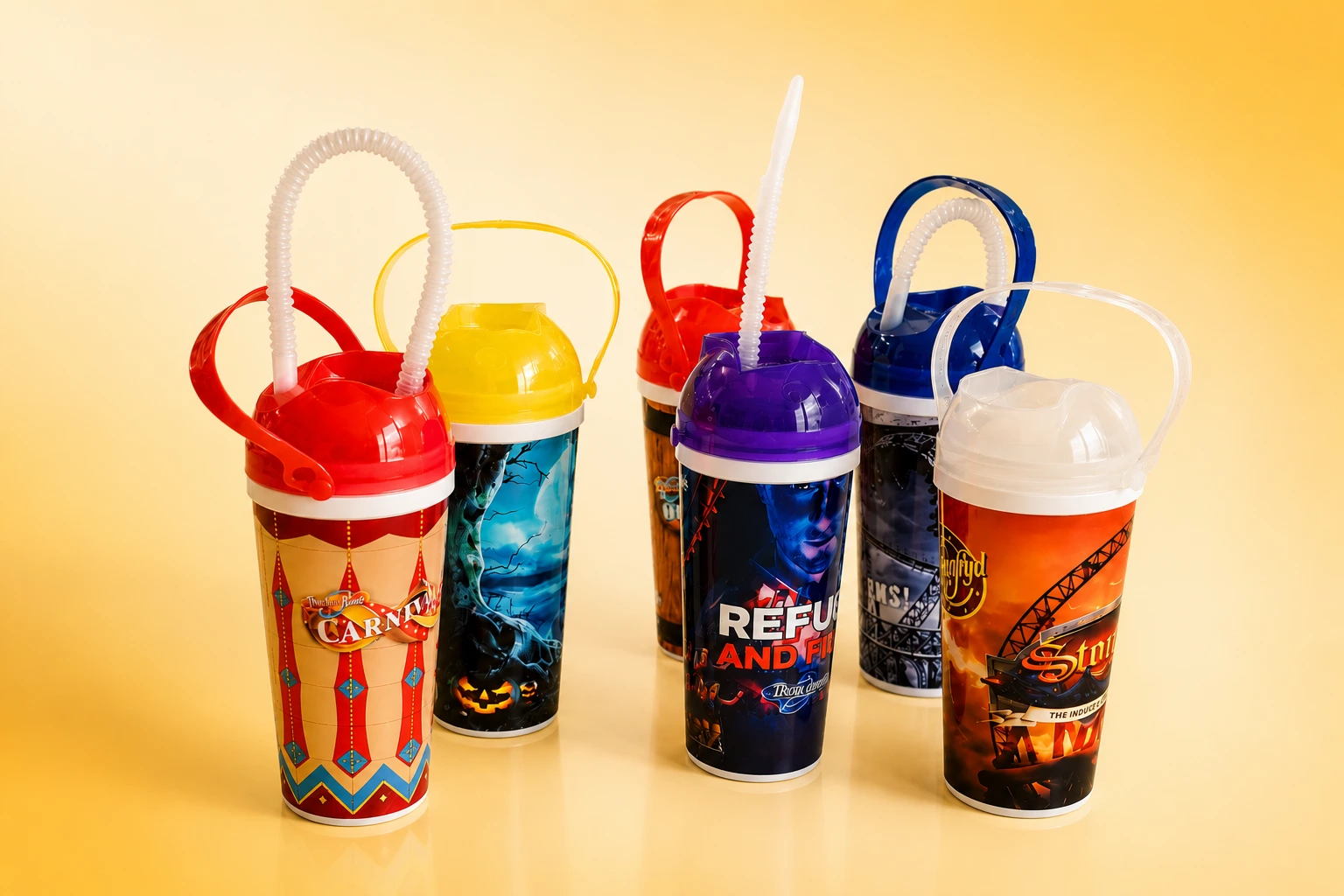
Heat Transfer is an advanced packaging decoration technology that allows a finished design to be transferred from a film directly onto the surface of the packaging.
The process involves the use of a heat-conducting die which, under the influence of heat and pressure, transfers a pre-prepared design from a heat-transfer film onto the surface.
The capabilities of heat transfer technology
One of the greatest advantages of this technology is its virtually unlimited design freedom.
The following can be applied to heat transfer film:
This makes it possible to achieve very high-quality graphics and visual effects that are not available with many other printing technologies.
Print quality and consistency
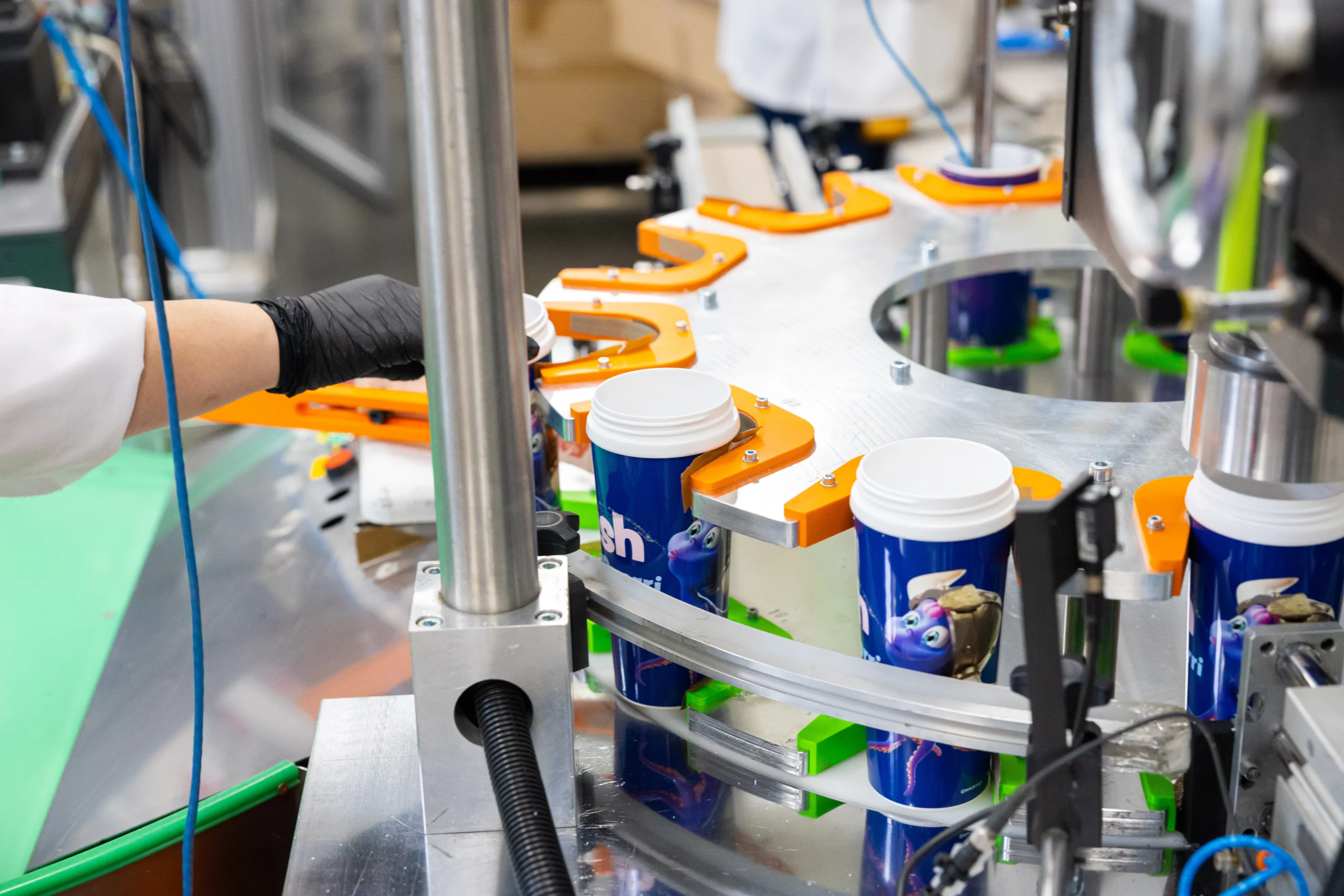
Depending on the film preparation technology used, heat transfer printing enables the following:
high print resolution ;
high opacity;
very good colour consistency;
consistent quality throughout the production run.
This solution works particularly well in mass production, where the visual consistency of the product is crucial.
The ‘no-label look’ effect
One of the key features of this technology is the ‘no-label look’ effect, i.e. packaging that appears to have no traditional label.
The graphics become an integral part of the packaging, which means that:
Advantages over self-adhesive labels
Unlike traditional labels:
As a result, this technology eliminates the typical problems associated with labels and ensures the durability of the decoration throughout the product’s life cycle.
Applications of the technology
Heat Transfer technology is used wherever the following are important:
high visual quality;
a wide range of colours;
precise reproduction of details;
durability of the print.
This technology is widely used in the production of packaging for cosmetics and food, as well as for products requiring a high standard of finish.
Would you like your product to stand out on the shelf?
Request a quote for printing on plastic packaging and see what professional decoration can do for your product.