
How to Choose Plastic Packaging for Your Product? A Complete Guide
Choosing plastic packaging does not start with the question: “Which bottle looks best?”
In series production, packaging must above all suit the product and the way it is filled, stored and transported. The type of plastic, capacity, shape, closure, dispensing method and the options for decoration also matter.
Well-designed plastic packaging should be functional, consistent in production and tailored to the requirements of a specific product. That is why it is worth analyzing the choice of packaging before series production begins.
1. Where to start when choosing packaging?
The first step should be to define the properties of the product that will go into the packaging. A cosmetic product will require different parameters than a detergent, a food product or a chemical preparation.
What matters most is the product’s consistency, its chemical properties, how it is applied and how it is stored. The filling method and transport requirements also need to be taken into account.
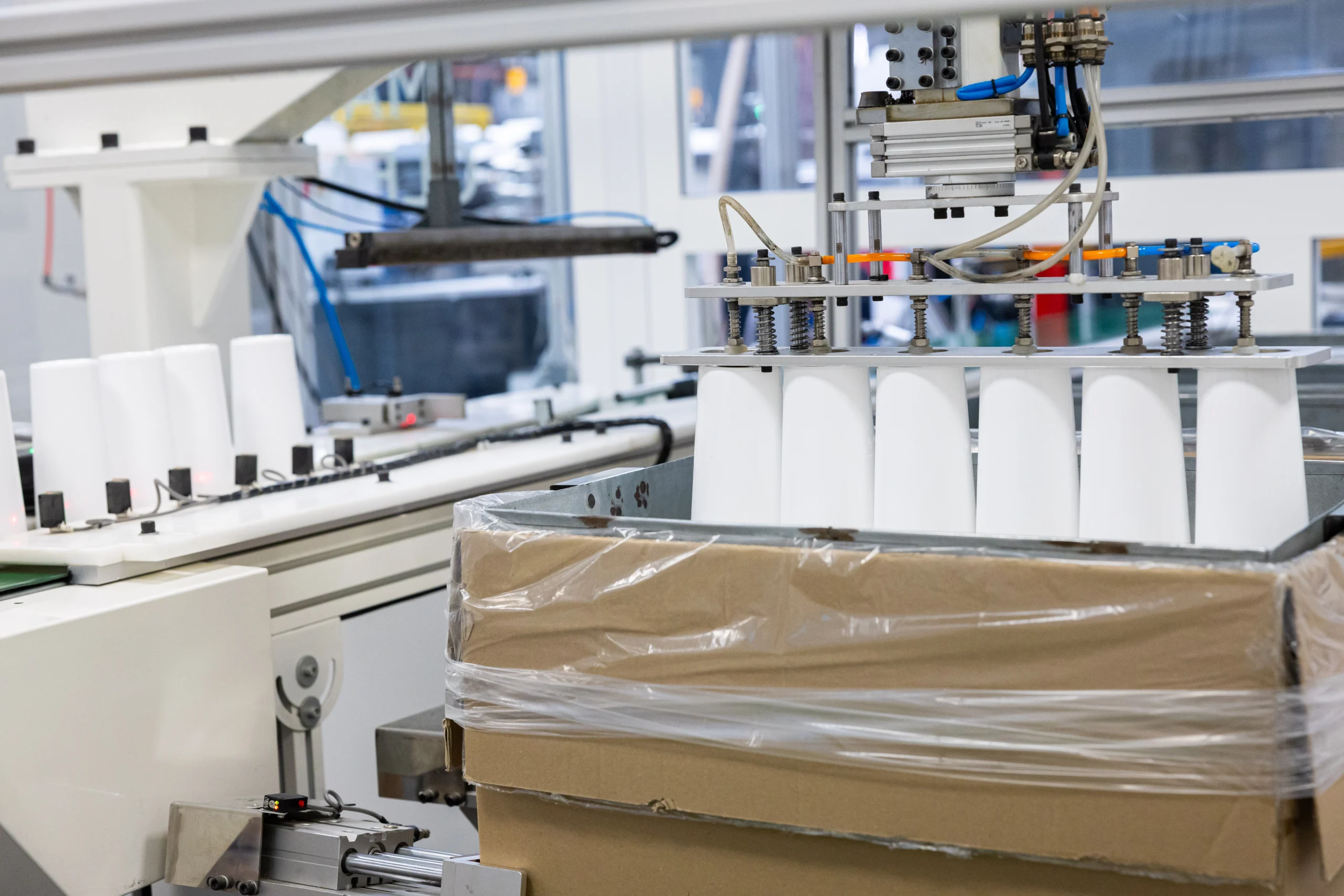
That is why a plastic packaging manufacturer should know what the packaging will be used for as early as the design stage. This makes it possible to choose the right material, design and production technology.
2. Product type and packaging choice
Cosmetic packaging often has to combine functionality with an attractive appearance. The bottle or container is part of the product’s identity, so both technical parameters and the possibility of high-quality printing or decoration matter.
For household and industrial chemicals, the packaging’s resistance to the product and its stability during storage and transport are particularly important.
Pharmaceutical packaging, in turn, requires particularly close control of the production process and a rigorous approach to quality. For food products, the requirements for food-contact materials must also be taken into account.
For this reason, there is no single universal plastic or type of packaging that suits every product.
3. HDPE, LDPE, PP or PET? How to choose the plastic?
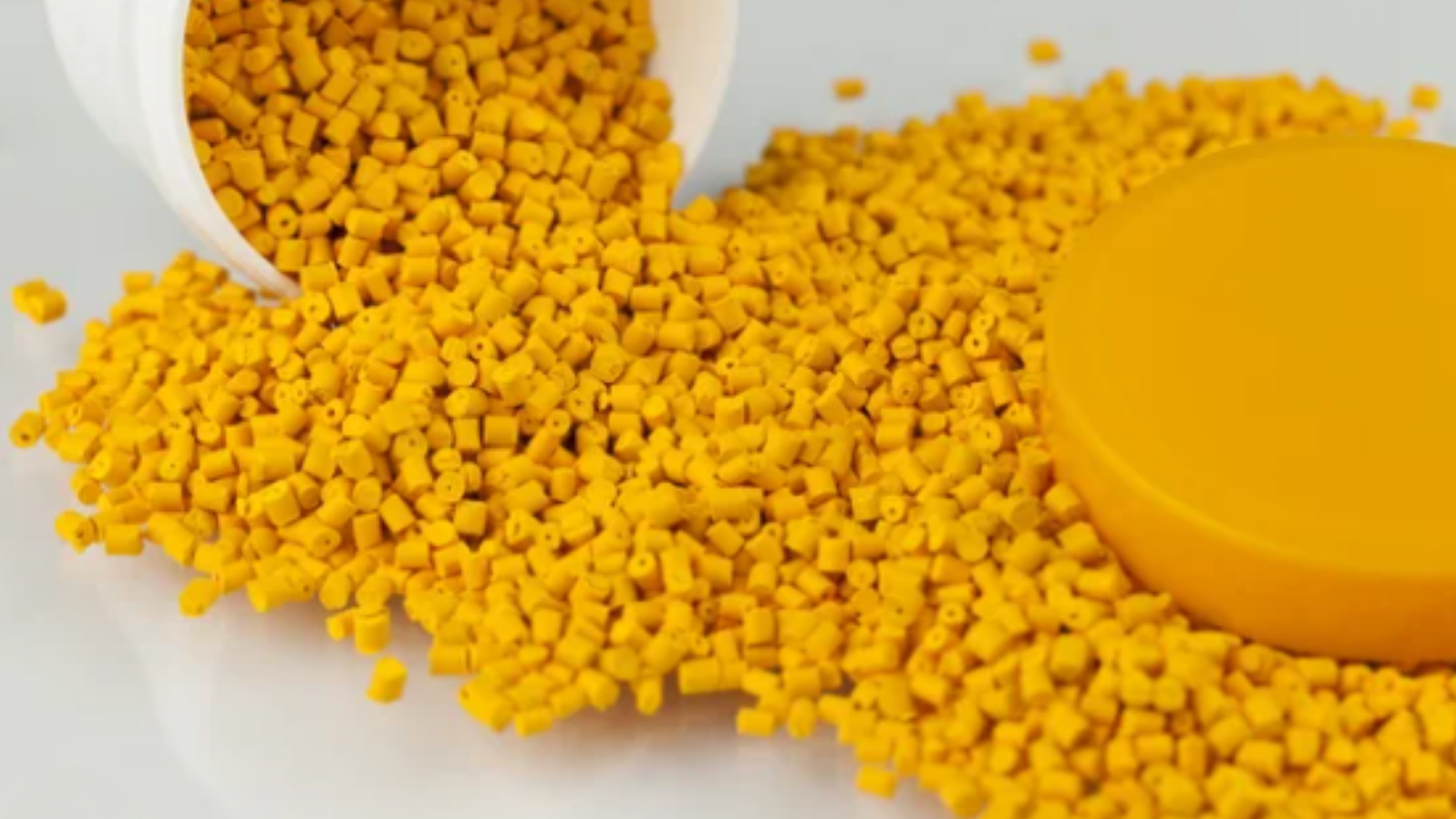
The type of plastic directly affects the properties of the finished packaging. Materials used in plastic packaging production include HDPE, LDPE, PP and PET. Depending on the application, recycled materials such as PCR or rPET can also be used.
HDPE is often used for bottles and containers that need adequate rigidity and resistance. LDPE is more flexible, so it is used where the packaging needs to be squeezable.
PP is used, among other things, for closures and packaging components, while PET makes it possible to produce lightweight, clear and attractive bottles.
This does not mean, however, that a material can be chosen on the basis of its general properties alone. The plastic should be matched to the specific product, the packaging design and the production technology.
4. Bottle, jar or canister?
The next step is choosing the form of the packaging. A bottle works well for products that are dispensed or designed for convenient everyday use. A jar may be a better choice for thicker products or those that need a wider opening.
For larger capacities and industrial products, a canister may be the right choice.
How the product is used also matters. The packaging should make it easy to get the contents out, and its shape should suit the way it is held, transported and stored.
That is why plastic packaging design should take into account the product’s entire life cycle, not just how the packaging looks.
5. Capacity, shape and weight of the packaging
The capacity of the packaging is of course linked to the amount of product, but it is not the only parameter to define. Shape, height, diameter, neck type and packaging weight also matter.
In series production, even small design differences can affect filling, capping, labeling and packing.
Optimizing packaging weight is also important. A well-designed structure can reduce the amount of material used while maintaining the required performance.
So the goal is not to create the lightest possible packaging, but to find the right balance between weight, strength, functionality and production costs.
6. The packaging must fit the production line
One often overlooked aspect is matching the packaging to the client’s existing production infrastructure.
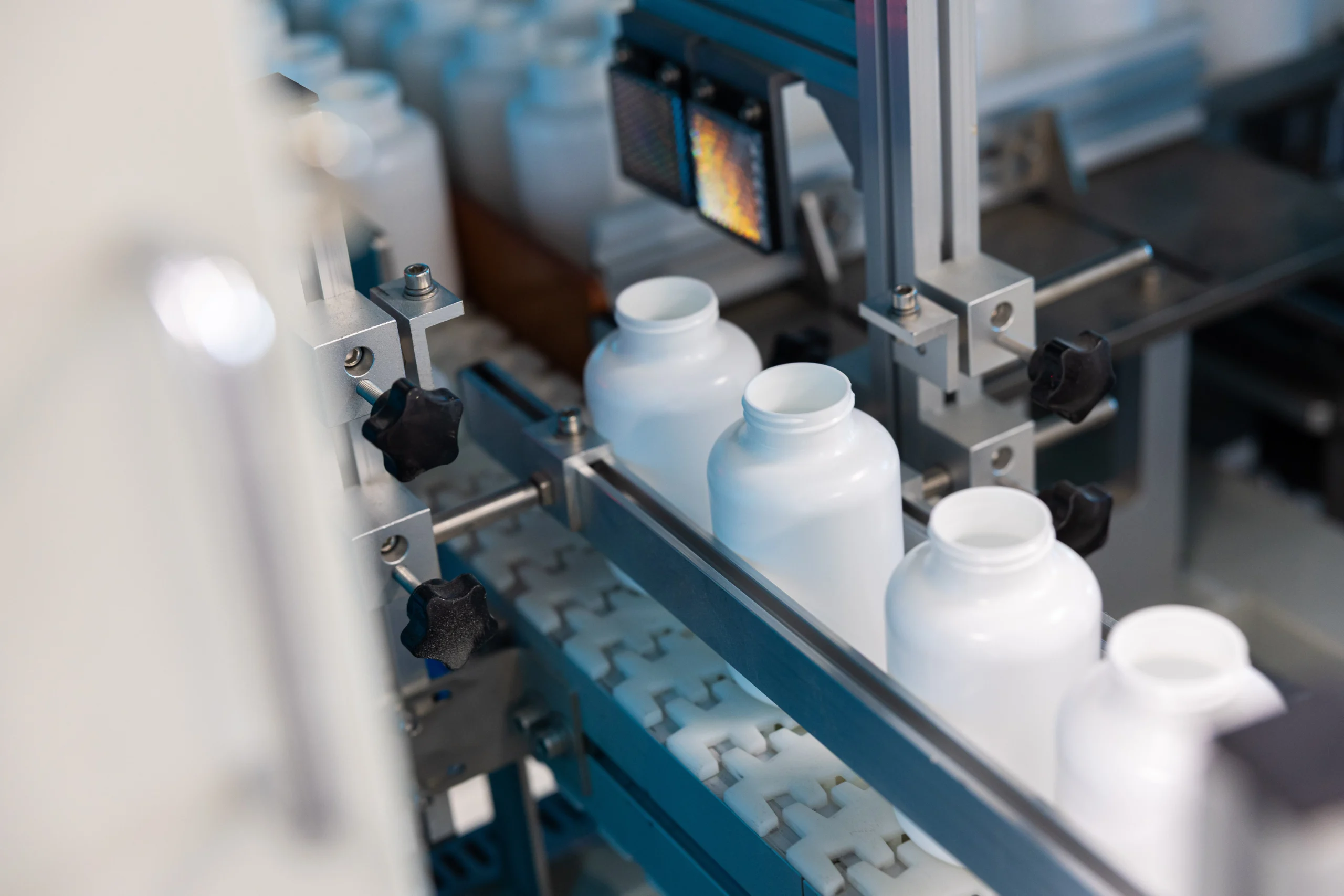
The packaging should work with the equipment used for filling, capping, labeling and packing. Packaging dimensions, neck geometry, thread and dimensional tolerances can all matter.
That is why it is worth checking at the design stage whether new plastic bottles or containers will run properly on a specific production line.
For the packaging manufacturer, this means considering not only the product itself, but also the process in which it will later be used.
7. How to choose the closure and dispensing system?
The bottle or container is only part of the solution. The right closure is just as important.
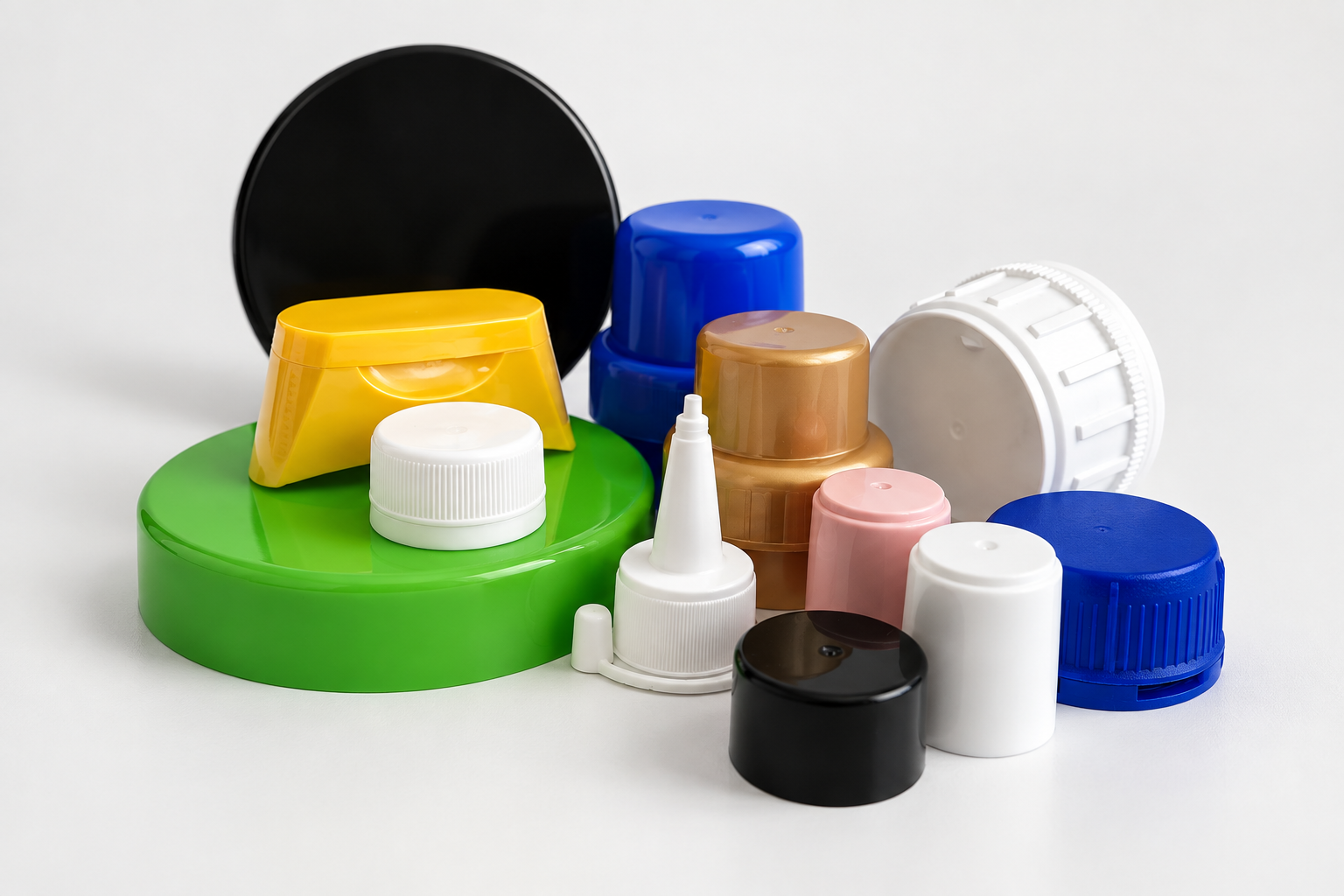
The type of cap, the thread and the dispensing system should match the product’s properties and how it is used. Cosmetics may need a solution that allows precise dosing. For household chemicals, convenient and safe application may be what matters.
The closure must also fit the packaging neck properly. That is why it is best chosen together with the design of the whole packaging, not as a separate step.
For the packaging manufacturer, this means considering not only the product itself, but also the process in which it will later be used.
8. Print, label or Heat Transfer?
The appearance of the packaging is an important part of the whole project. It is therefore worth planning the decoration method right from the design stage.
Depending on the packaging design, material and desired effect, options include LED UV screen printing or Heat Transfer.
Screen printing delivers precise prints and a range of visual effects, including opaque, transparent, metallic and pearlescent finishes. Heat Transfer, on the other hand, transfers a prepared graphic from a film directly onto the packaging surface, creating a “no label look”.
The choice of printing technology should be part of the packaging design. The structure, material, surface and the area reserved for graphics can all affect the final result.
9. Standard packaging or a custom design?
In many cases, using existing standard packaging is a good solution. It allows production to start faster and reduces the costs of preparing a new mold.
A custom design makes sense when standard solutions do not meet the requirements of the product, the production process or the brand strategy.
Custom packaging designs may involve changes to shape, capacity, structure, neck or other technical parameters.
A good design, however, should take future series production into account. Packaging may look attractive in a visualization, but it must also be possible to manufacture it in a stable and repeatable way.
10. The most common mistakes when choosing packaging
One of the most common mistakes is choosing packaging on unit price alone. In series production, what matters is the total cost of the solution, including its impact on filling, capping, packing, storage and transport.
The second mistake is designing packaging without considering the production line. Even a well-designed bottle may need changes if it does not work properly with the client’s equipment.
It is also worth avoiding decisions about the plastic without considering the product’s properties and storage conditions.
11. From idea to series production
The packaging development process should lead from defining the product requirements, through choosing the material and design, to preparing the solution for series production.
Depending on the project, the manufacturer may use different technologies, such as extrusion blow molding, injection molding or injection stretch blow molding (ISBM).
At every stage, parameter control and production repeatability are essential. For a B2B client, this above all means confidence that each subsequent batch of packaging will meet the agreed requirements.
That is why choosing packaging should be treated as a technological process, not just a decision about how the product looks.
Summary
Good plastic packaging should be matched to the product, its dispensing method, the production line and the expectations regarding appearance and use.
When choosing, it is worth analyzing not only the type of plastic and capacity, but also the design, closure, weight, decoration method and series production capabilities.
Working with an experienced plastic packaging manufacturer makes it possible to go through these stages in an orderly way and reduce the risk of problems later in production.
FAQ
Not sure which packaging is right for your product?
Maropak helps you choose a solution that takes into account the type of product, technological requirements, filling method and planned series production.
Get in touch and tell us about your project.